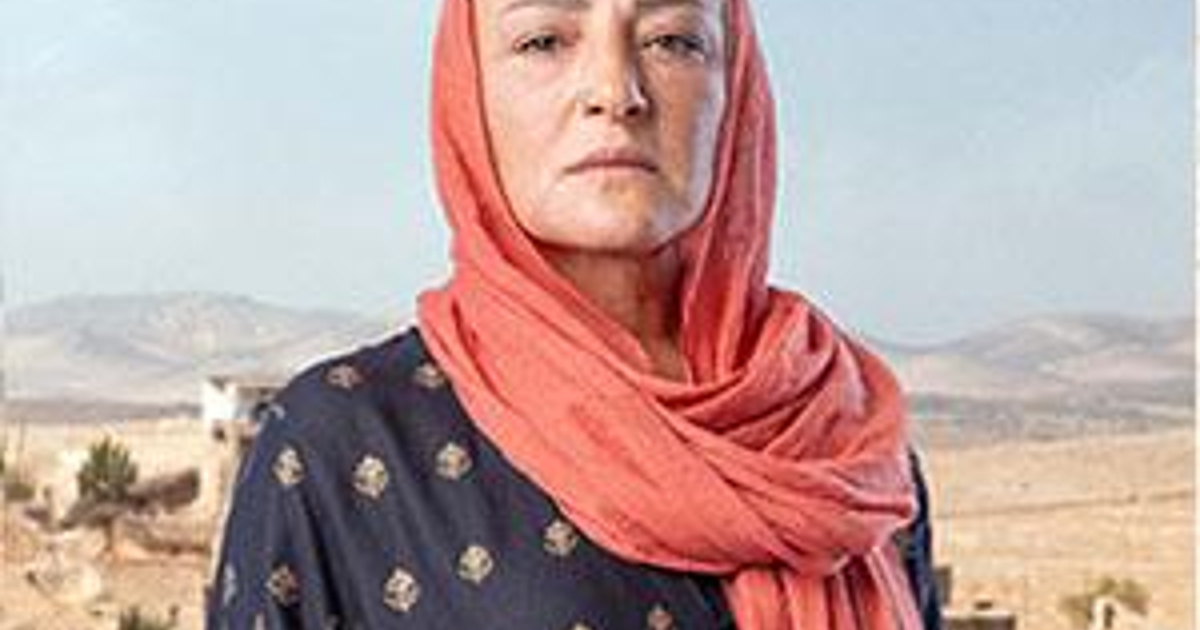
Uzak Şehir: Deconstructing Ilkay Kayku's Pivotal Character as Ecmel Albora's Wife
In the rich tapestry of Turkish drama, certain characters stand out not just for their lines but for the intricate web of relationships, conflicts, and motivations they weave. One such compelling figure in the series
Uzak Şehir (Distant City) is the wife of Ecmel Albora, a character whose complexity and influence are central to the narrative. While details about the actress embodying this role, frequently searched under "Ilkay Kayku Eşi," might be elusive, the character herself provides a fascinating study in familial loyalty, societal expectation, and the bitter taste of blame. This article delves deep into the identity, background, and pivotal role of Ecmel Albora’s wife, shedding light on her significant impact on the unfolding drama of
Uzak Şehir.
The Foundation of Conflict: Ecmel Albora's Wife in Uzak Şehir
The character identified as Ecmel Albora's wife immediately establishes herself as a force within
Uzak Şehir. She isn't just a supporting figure; her actions and beliefs directly shape the lives of those around her, especially her children, Şahin and Zerrin. From the outset, we understand that her identity is deeply intertwined with her marital status and her family's standing in the community. As the matriarch of a prominent household, her perspective and decisions carry substantial weight.
She hails from a wealthy, established family in the region, a detail that is crucial for understanding her worldview and her expectations for her family's future. This affluent background often translates into a strong sense of honor, status, and an unwavering desire to protect her family's reputation. Her position of privilege, however, doesn't shield her from personal hardship, but rather colors her reaction to it. The perceived injustices against her family are magnified by her sense of entitlement and her firm belief in how things *should* be.
The dynamic between Ecmel Albora's wife and the other characters is instantly fraught with tension. She is not a passive bystander but an active participant in the conflicts that drive the plot forward. Her character represents a traditional pillar within the community, yet she is also susceptible to deeply personal vendettas, making her a compelling, if sometimes challenging, figure for viewers to engage with. Understanding her background is key to unlocking the layers of her protective, yet often judgmental, personality.
A Web of Blame: The Fallout from Ecmel's Imprisonment
Perhaps the most defining characteristic of Ilkay Kayku's character as Ecmel Albora's wife is her unwavering conviction regarding her husband's imprisonment. Following Ecmel's incarceration, she pins the blame squarely on Sadakat and Cihan. This isn't a fleeting accusation but a deeply entrenched belief that fuels much of her animosity and shapes her interactions throughout the series. Her sense of injustice is profound, leading her to harbor a significant grudge that impacts not only her own life but also the lives of her children.
This powerful sense of blame serves as a central engine for the show's dramatic tension. It positions her as an antagonist to Sadakat and Cihan, creating a clear divide and constant friction. For her, Ecmel's imprisonment is not merely a legal matter but a personal affront, an act of betrayal for which she demands accountability. This perspective highlights a common theme in many dramas: how personal convictions, even when potentially misguided, can drive powerful and destructive behaviors.
The psychological toll of holding onto such blame is evident in her character. It hardens her demeanor, making her less amenable to compromise or understanding. For viewers, analyzing this aspect of her character prompts questions about the nature of justice, the impact of revenge, and how family loyalty can sometimes blind individuals to alternative truths. Her intense desire for retribution underscores the often-complex motivations behind character actions in high-stakes dramas. This aspect of her character is so central that it truly defines
Ilkay Kayku's Role in Uzak Şehir: Ecmel Albora's Blaming Wife.
Protecting Her Lineage: Motherhood, Loyalty, and Disapproval
As a mother to Şahin and Zerrin, Ecmel Albora's wife embodies a fierce, albeit sometimes overbearing, protectiveness. Her children are her world, and she views their future, status, and alliances through the lens of her own convictions and her family's esteemed background. Her wealth and social standing mean she has specific expectations for her children, particularly regarding who they associate with. This is where her conflict with Şahin takes center stage.
She is profoundly displeased with Şahin's closeness to Cihan's family. Given her unwavering belief that Sadakat and Cihan are responsible for Ecmel's predicament, any association between her son and their family is seen as a direct challenge to her loyalty and a betrayal of their own family's suffering. This creates a significant emotional chasm between mother and son, highlighting the generational conflicts and differing perspectives often found in families. For her, Şahin's actions are not just youthful indiscretion but a matter of family honor and defiance.
This particular aspect of her character provides invaluable insight into the cultural dynamics often explored in Turkish dramas. The emphasis on family reputation, the weight of parental expectations, and the complexities of inter-family relationships are all brought to the forefront through her interactions with Şahin. Her motivations, while driven by love and a desire to protect her children, are also tainted by her deep-seated resentment and her inability to move past the perceived wrongs committed against her husband. She epitomizes the struggles of a parent trying to steer their children onto a path they believe is right, even if that path is paved with prejudice and unresolved anger.
Beyond the Screen: Understanding the "Ilkay Kayku Eşi" Phenomenon and Character Archetypes
The frequent search for "Ilkay Kayku Eşi" underscores the audience's deep engagement with the character of Ecmel Albora's wife, even when direct information about the actress or the character's full name is limited. This phenomenon speaks to the power of compelling characterization in Turkish dramas, where strong, complex female roles often become the subject of intense discussion and analysis among viewers. Such characters, regardless of whether they are heroes or antagonists, resonate because they embody universal themes of love, loss, betrayal, and resilience, often within a culturally specific framework.
Practical Insight for Storytellers and Viewers:
- Embrace Ambiguity: Characters like Ecmel Albora's wife thrive on moral ambiguity. She isn't purely evil; her actions are driven by understandable (though perhaps misguided) maternal instincts and loyalty. This makes her more realistic and engaging.
- The Power of the Unknown: Sometimes, less is more. The very mystery surrounding the actress or certain biographical details can amplify focus on the character's narrative impact.
- Reflect Societal Values: Her adherence to family honor and wealth reflects significant societal values, providing a mirror for viewers to examine these themes within their own contexts.
The character serves as an archetype common in dramas: the protective, often stern matriarch whose love for her family is undeniable but whose methods are questionable. These roles are vital for creating dramatic tension and exploring the ethical dilemmas faced by families under pressure. The portrayal of
Ilkay Kayku Eşi: Unveiling Ecmel Albora's Wife in Uzak Şehir contributes significantly to the emotional depth and narrative complexity of the series.
Clarifying the Identity: Ilkay Kayku in Different Contexts
It's important to note that searches for "Ilkay Kayku" can lead to information regarding a different individual involved in global trade, specifically "ILKAY KAYKU ATALAY ILKAY KAYKU" appearing in import/export data since 2022. The NBD Trade Data system records several customs transactions and trade partners associated with this entity in Turkey. This highlights a common challenge with public figures or memorable names, where identical names can belong to entirely different people with unrelated professions.
For the purpose of this article and the context of
Uzak Şehir, our focus remains squarely on the fictional character of Ecmel Albora's wife. While the trade data provides an interesting glimpse into another sphere of activity, it is distinct from the dramatic portrayal we've explored within the series. This distinction is crucial for understanding the specific identity and role of "Ilkay Kayku's character" as discussed in relation to
Uzak Şehir.
Conclusion
Ecmel Albora's wife in
Uzak Şehir, often sought after through the query "Ilkay Kayku Eşi," is far more than a secondary character. She is a central pillar of the drama, embodying the complexities of family honor, the corrosive power of blame, and the fierce protectiveness of a mother. Her wealthy background, her unwavering conviction in the guilt of Sadakat and Cihan, and her profound displeasure with her son Şahin's allegiances all combine to create a character rich with conflict and internal struggle. Her presence is a constant reminder of the deep-seated grievances that drive much of the series' narrative, making her an unforgettable figure in the world of
Uzak Şehir and a testament to the enduring appeal of multi-faceted characters in Turkish television.